
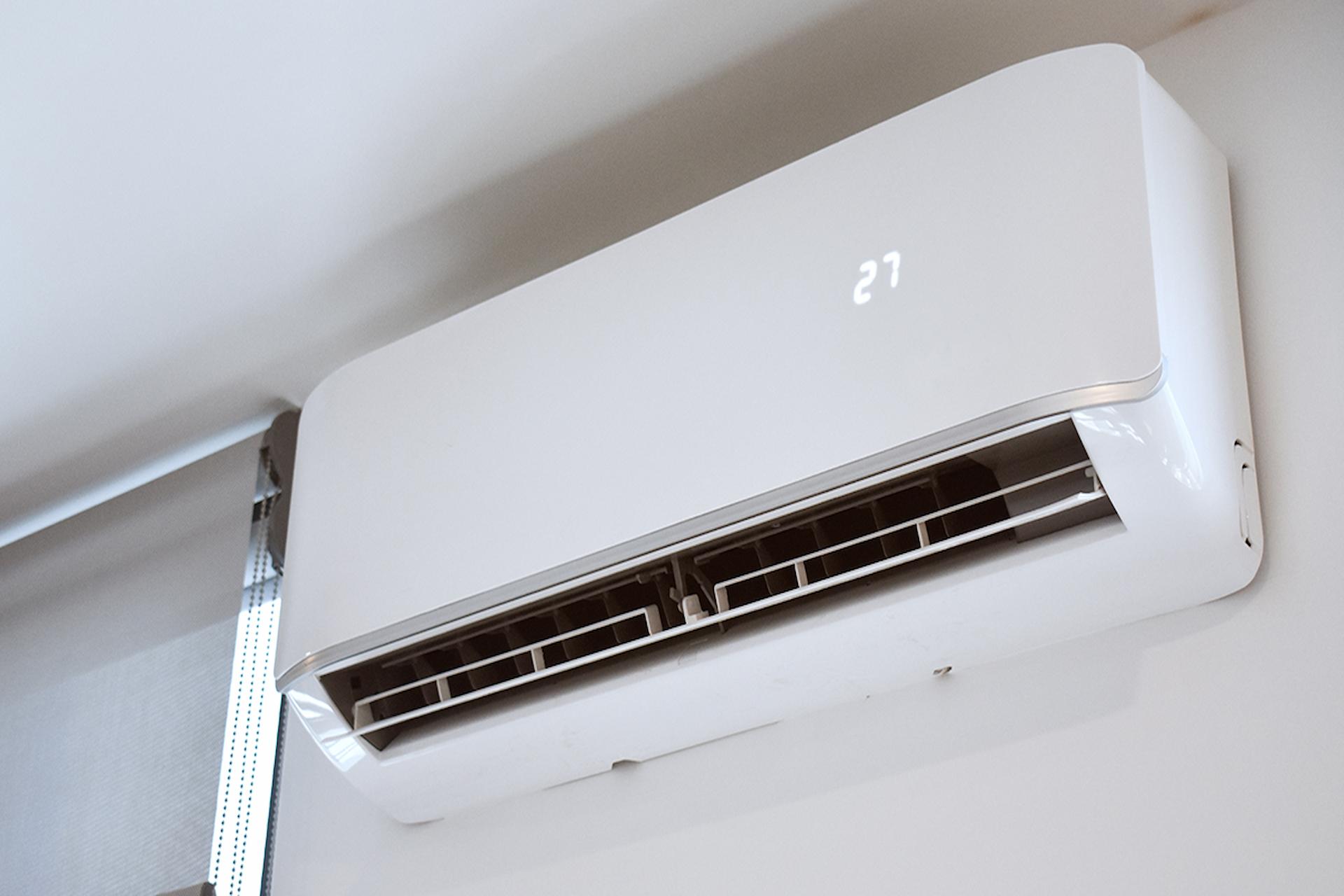
Modern homeowners are increasingly looking for smarter, more energy-efficient ways to stay comfortable year-round. Traditional HVAC systems can be bulky, expensive to install, and inefficient in certain homes—especially older properties or spaces without existing ductwork. That’s where ductless mini splits come into play, offering a flexible and cost-effective alternative that’s growing in popularity across residential and commercial spaces.
In simple terms, ductless mini-splits provide targeted heating and cooling without the need for extensive duct systems. But how exactly do they work, and why are so many homeowners making the switch? Let’s break it down.
What Are Ductless Mini Splits?
Ductless mini-splits are heating and cooling systems designed to control the temperature in specific rooms or zones. Unlike central HVAC systems that rely on ductwork to distribute air, these systems operate independently in each area.
A typical system includes:
- An outdoor unit (compressor and condenser)
- One or more indoor units (air handlers)
- A conduit connecting them, which houses power cables, refrigerant lines, and drainage
Because there’s no need for ducts, installation is less invasive and more adaptable to different property types.
How Do Ductless Mini Splits Work?
At their core, ductless mini splits function using the same principles as traditional air conditioners or heat pumps. However, they are designed to deliver air directly into a room rather than distributing it through ducts.
Cooling Mode
In cooling mode:
- The indoor unit pulls warm air from the room
- The system extracts heat using refrigerant
- The heat is transferred to the outdoor unit and released outside
- Cool air is then circulated back into the room
Heating Mode
Many ductless mini splits also act as heat pumps:
- They extract heat from outdoor air—even in cooler temperatures
- The heat is transferred indoors and distributed by the air handler
This dual functionality makes them highly efficient for year-round use.
Key Benefits of Ductless Mini Splits
1. Energy Efficiency
Duct losses in traditional systems can account for up to 20–30% of energy consumption. Since ductless systems eliminate this issue, they tend to be more efficient.
Additionally, inverter technology allows these systems to adjust output based on demand, reducing energy waste.
2. Zoned Comfort Control
One of the biggest advantages is the ability to control temperatures in individual rooms.
For example:
- Keep bedrooms cooler at night
- Maintain a comfortable temperature in the living room during the day
- Reduce energy use in unoccupied spaces
This level of control enhances comfort while lowering utility bills.
3. Easy Installation
Installing a ductless system is typically faster and less disruptive than installing ductwork.
A small hole (usually around 3 inches) is all that’s needed to connect indoor and outdoor units. This makes them ideal for:
- Older homes without ducts
- Room extensions or loft conversions
- Garages and workshops
4. Improved Indoor Air Quality
Without ducts to accumulate dust, allergens, and debris, ductless systems can contribute to cleaner indoor air.
Many units also include advanced filtration systems that help remove:
- Dust particles
- Pollen
- Bacteria
5. Quiet Operation
Ductless mini splits are designed to operate quietly, making them suitable for bedrooms, offices, and study areas. The noisier components are located outside, reducing indoor disturbance.
Where Are Ductless Mini Splits Most Useful?
These systems are highly versatile and can be used in a wide range of scenarios.
Ideal Applications
- Homes without existing ductwork
- Room additions or renovations
- Multi-family properties
- Offices and small commercial spaces
- Areas with inconsistent temperatures
For instance, if one room in your home always feels warmer or colder than others, a ductless system can provide targeted comfort without affecting the entire house.
Comparing Ductless Mini Splits to Central HVAC
Understanding how ductless systems compare to traditional HVAC can help you decide which option is right for your needs.
Ductless Mini Splits
- No ductwork required
- Zoned temperature control
- Lower energy losses
- Easier installation
- Higher upfront cost per unit but potential long-term savings
Central HVAC Systems
- Uses ducts to distribute air
- Single thermostat for the entire home
- Potential energy loss through ducts
- More complex installation
- Often better suited for large, already-ducted homes
The right choice depends on your home’s structure, budget, and comfort preferences.
Maintenance and Care Tips
Like any HVAC system, ductless mini splits require regular maintenance to perform efficiently.
Simple Maintenance Checklist
- Clean or replace air filters every 1–2 months
- Keep outdoor units free from debris
- Check for refrigerant leaks
- Schedule annual professional servicing
Routine care not only improves efficiency but also extends the lifespan of the system.
Is a Ductless Mini Split Right for You?
Choosing the right heating and cooling system depends on several factors, including your home’s layout, energy goals, and budget.
Ductless mini splits are particularly well-suited if you:
- Want better control over individual room temperatures
- Are you upgrading or renovating without existing ducts
- Aim to improve energy efficiency
- Need a flexible and scalable solution
Consulting with an HVAC professional can help you assess your specific needs and determine the best setup.
Conclusion
Ductless mini splits offer a practical and modern approach to home comfort. By eliminating the need for ductwork and providing precise temperature control, they address many of the limitations of traditional HVAC systems.
Whether you’re looking to upgrade your current system, improve energy efficiency, or add comfort to a specific area, ductless mini-splits offer a reliable and versatile solution. As more homeowners prioritize flexibility and sustainability, these systems continue to stand out as a smart investment for the future.