
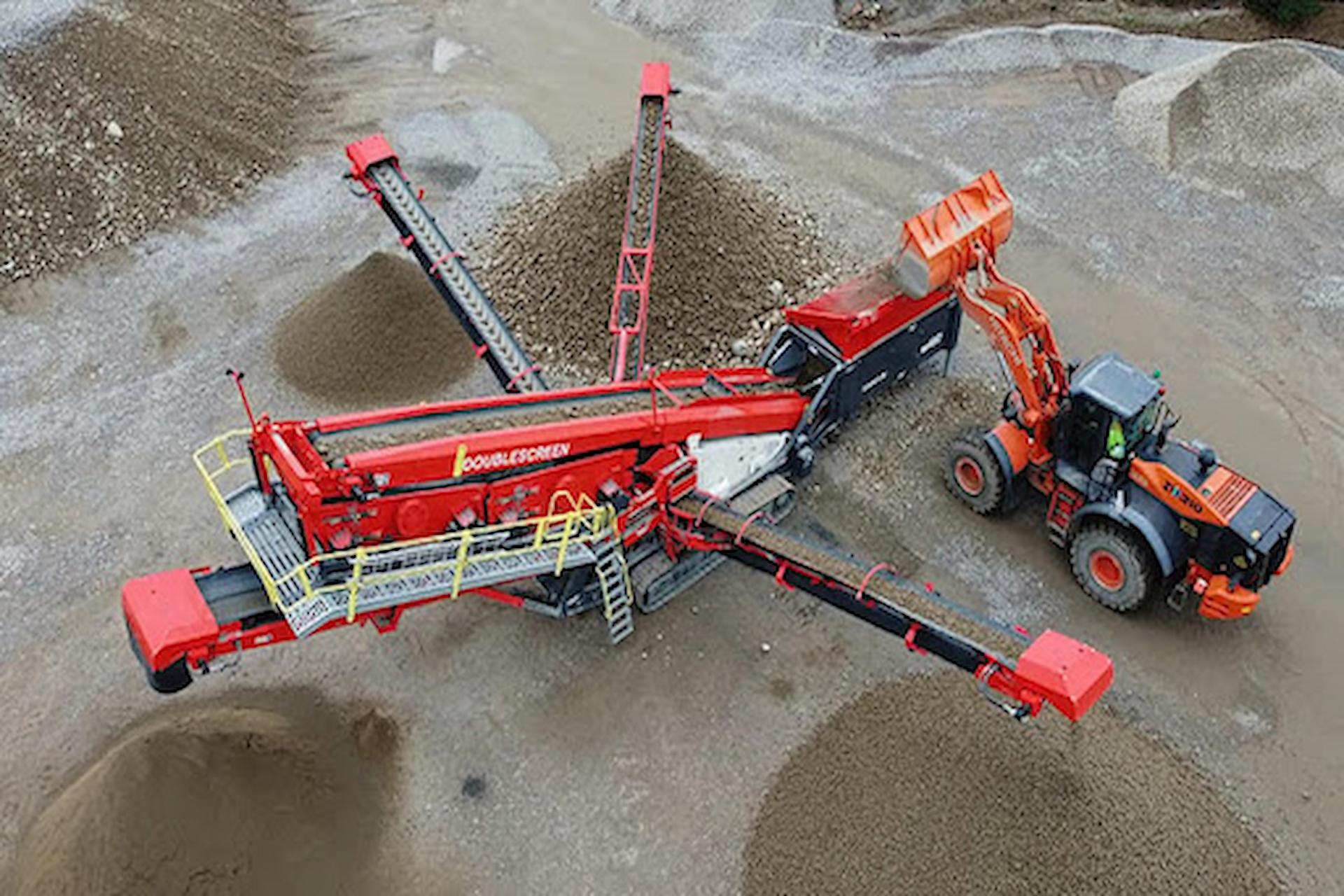
Efficient material separation is at the heart of modern processing systems. When done right, it saves time, reduces waste, and improves output quality. Vibrating screen decks play a key role in achieving this balance, helping industries handle materials more precisely while keeping operations smooth, consistent, and cost-effective across various stages.
Material separation may seem like a simple process, but in reality, it requires precision, consistency, and control. Industries that deal with bulk materials depend on systems that can sort particles quickly without compromising quality. A vibrating screen deck is one such solution that enhances efficiency by ensuring accurate separation at every stage.
Fundamentals of Vibrating Screen Decks
A vibrating screen deck uses controlled motion to separate materials based on size. Its design ensures particles move evenly across the surface, improving sorting accuracy and preventing blockages.
What Is a Vibrating Screen Deck?
A vibrating screen deck is a mechanical surface that uses vibration to separate materials based on size. It consists of a screening surface with openings that allow smaller particles to pass through while larger ones remain on top.
The controlled vibration ensures that materials move across the surface evenly, improving the chances of proper separation. This movement reduces clogging and ensures a steady flow.
Why Vibration Matters
Vibration is not random. It is carefully designed to:
- Keep materials in motion
- Prevent particles from sticking together
- Improve contact between material and screen surface
This results in faster and more accurate separation.
How Material Separation Works
Separation relies on particle size differences, where smaller materials pass through openings while larger ones move forward. Continuous vibration keeps the process smooth and efficient without interruptions.
The Principle of Size-Based Sorting
Material separation using screen decks relies on particle size differences. When materials are fed onto the deck:
- Smaller particles fall through the openings
- Larger particles move forward for further processing
This simple principle becomes highly effective when combined with controlled vibration.
Continuous Flow for Better Efficiency
Unlike manual sorting, vibrating systems operate continuously. This ensures:
- Consistent output
- Reduced downtime
- Higher productivity
By maintaining a steady flow, operations remain efficient even under heavy loads.
Key Factors That Improve Efficiency
Efficiency depends on uniform motion, proper material flow, and reduced clogging. When these factors are balanced, separation becomes faster, more accurate, and less energy-intensive.
-
Consistent Motion and Distribution
Uniform vibration spreads materials evenly across the deck. This prevents uneven loading, which can reduce performance.
-
Reduced Blockage and Build-Up
Vibration helps prevent particles from clogging the screen openings. This keeps the system running smoothly and reduces maintenance needs.
-
Improved Accuracy in Separation
Accurate separation reduces the need for reprocessing. This saves time, energy, and operational costs.
Types of Vibrating Screen Deck Configurations
Different configurations, such as single or multi-deck systems, allow varying levels of separation. Choosing the right setup helps match processing needs and improves overall output quality.
Single Deck Systems
Single deck systems are used when only one level of separation is required. They are simple and effective for basic sorting tasks.
Multi-Deck Systems
Multi-deck systems allow multiple layers of separation in one process. Materials pass through several levels, each designed for different particle sizes.
Benefits include:
- Better sorting precision
- Increased throughput
- Reduced need for additional equipment
The Role of Design in Performance
Design elements like screen material, angle, and vibration settings directly impact performance. Proper design ensures durability, consistent flow, and precise material separation.
Screen Surface Material
The type of surface used affects performance. Common materials include:
- Metal mesh
- Synthetic panels
- Rubber surfaces
Each option offers different levels of durability and flexibility.
Angle and Inclination
The angle of the screen deck influences how quickly materials move. A steeper angle increases speed, while a flatter angle improves accuracy.
Frequency and Amplitude
- Frequency refers to how fast the deck vibrates
- Amplitude refers to how far it moves
Balancing these factors ensures optimal performance.
Benefits of Using Vibrating Screen Decks
These systems increase processing speed, improve product consistency, and reduce operational costs. They also offer flexibility to handle different materials and production volumes.
Faster Processing Times
Automated separation significantly reduces the time needed to sort materials.
Better Product Quality
Accurate separation ensures consistent particle size, which improves final product quality.
Lower Operational Costs
Efficient systems reduce energy consumption and minimise material waste.
Scalability
Vibrating systems can be adjusted to handle different volumes and material types, making them suitable for growing operations.
Practical Considerations for Optimal Use
Proper maintenance, balanced material feeding, and performance monitoring are essential. These practices help maintain efficiency and extend the lifespan of the equipment.
Regular Maintenance
Keeping the system clean and well-maintained ensures long-term performance. Worn-out components should be replaced promptly.
Proper Material Feeding
Overloading or uneven feeding can reduce efficiency. Materials should be distributed evenly across the deck.
Monitoring Performance
Tracking output and efficiency helps identify areas for improvement and ensures consistent operation.
Mid-Process Efficiency Gains
In the middle stages of processing, a vibrating screen deck plays a crucial role in refining material quality. At this point, accurate separation becomes even more important, as it directly affects downstream processes.
By ensuring only correctly sized materials move forward, the system reduces strain on subsequent equipment. This leads to smoother operations and improved overall productivity.
Actionable Tips to Improve Separation Efficiency
- Adjust vibration settings based on material type to achieve better accuracy
- Choose the right screen surface to match particle characteristics
- Maintain consistent feed rates to avoid uneven distribution
- Inspect screen openings regularly to prevent clogging
- Optimise deck angle for the desired balance between speed and precision
These small adjustments can significantly enhance performance over time.
Common Challenges and How to Address Them
Issues like uneven distribution, screen wear, and moisture can affect performance. Addressing these challenges ensures stable operation and consistent results.
Uneven Material Distribution
This can lead to poor separation. Using feeders or distributors helps maintain balance.
Screen Wear and Tear
Over time, screen surfaces can degrade. Regular inspection and replacement prevent performance loss.
Excess Moisture in Materials
Wet materials may stick together, reducing efficiency. Pre-treatment or drying can help improve separation.
The Future of Material Separation
Advancements in technology are making systems more efficient and reliable. Improved automation and energy efficiency are shaping the next generation of separation solutions.
Advancements in screening technology continue to improve efficiency. Modern systems focus on:
- Energy efficiency
- Improved durability
- Enhanced automation
These developments allow industries to handle larger volumes with greater precision.
Final Thoughts
Efficient material separation is essential for maintaining productivity and quality in any processing system. A well-designed vibrating screen deck ensures accurate sorting, reduces waste, and keeps operations running smoothly.
By understanding how these systems work and applying simple optimisation strategies, businesses can significantly improve performance and achieve consistent results over time.