Radiators are no longer hidden behind furniture or tucked beneath windows. Today, they can define a room’s style while delivering powerful, energy-efficient warmth. But what truly separates designer radiators from standard models? Understanding the differences helps homeowners choose smarter, balancing performance, aesthetics, and long-term heating value.
When choosing new heating solutions, appearance is no longer an afterthought. Modern homeowners expect radiators to deliver both performance and visual impact, and established manufacturers like Stelrad Radiators have evolved their collections to reflect this demand. By blending proven heating expertise with contemporary styling, Stelrad Radiators demonstrate how efficiency and design can work together seamlessly.
The difference between designer and standard radiators goes far beyond colour or shape. It involves engineering, materials, heat output, space optimisation, and long-term value. Understanding these distinctions ensures you invest in a heating solution that meets both practical and aesthetic expectations.
Design Philosophy and Visual Impact
Designer radiators are created with style at the forefront. They are meant to be seen rather than concealed. Standard models, by contrast, prioritise functionality and typically follow a familiar flat-panel or compact format.
Sculptural Appeal and Modern Finishes
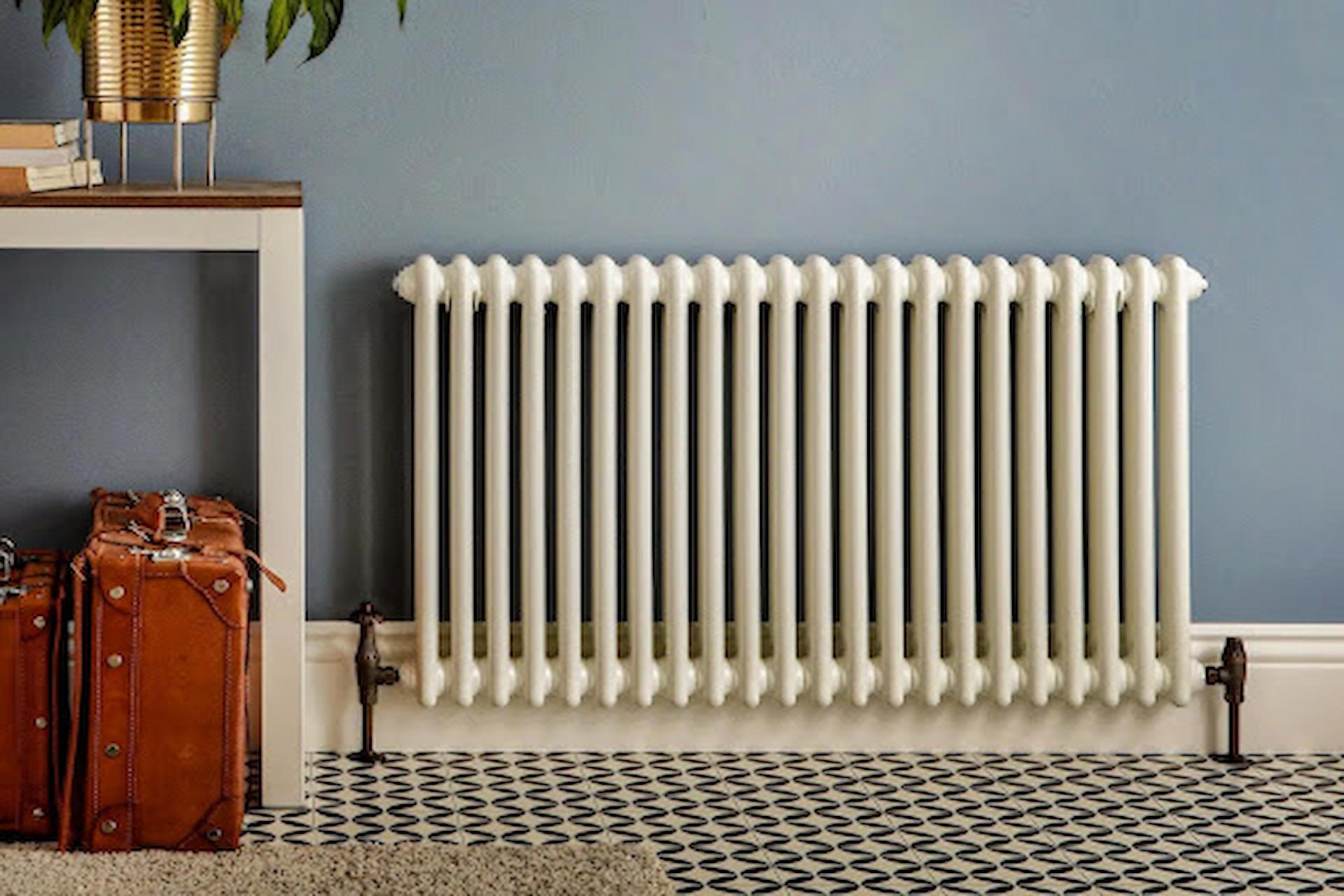
Designer models often feature vertical profiles, curved silhouettes, slimline structures, or geometric patterns. Finishes may include anthracite, brushed metallics, matte black, or textured coatings. These options allow radiators to complement minimalist, industrial, or contemporary interiors.
Integration into Interior Layout
Instead of fitting around a radiator, rooms can now be designed around one. Vertical designer radiators, for example, maximise wall space in compact rooms. Horizontal statement models can anchor larger living areas. Standard radiators, while effective, rarely influence the overall décor scheme.
In short, designer radiators function as both heating appliances and architectural features.
Heat Performance and Output Efficiency
A common misconception is that designer radiators focus more on appearance than performance. In reality, high-quality manufacturers engineer them to deliver competitive heat outputs comparable to, or exceeding, traditional models.
Optimised Heat Distribution
Modern designer radiators are built using advanced steel or aluminium construction to enhance thermal conductivity. Their internal channels are carefully structured to maximise water flow and surface area contact, ensuring efficient heat transfer.
Output Calculations and Sizing
Like standard models, designer radiators are measured in BTUs (British Thermal Units). Choosing the correct output remains essential. The difference lies in flexibility — designer options often provide high heat outputs within narrower or taller frames, making them suitable for rooms with limited wall space.
Manufacturers such as Stelrad Radiators ensure that style does not compromise efficiency, offering models tested to meet rigorous performance standards.
Materials and Construction Quality
Material choice significantly influences durability, responsiveness, and overall lifespan.
Steel vs Aluminium
Standard radiators are typically manufactured from mild steel. Designer radiators may use premium-grade steel or lightweight aluminium. Aluminium models heat up and cool down more quickly, offering responsive temperature control and improved energy management.
Precision Manufacturing
Designer units often undergo enhanced finishing processes, including powder coating and corrosion resistance treatments. These features protect against moisture and everyday wear, making them particularly suitable for kitchens and bathrooms.
While standard radiators remain durable and reliable, designer options frequently incorporate upgraded production techniques to match their premium positioning.
Space Efficiency and Placement Flexibility
Modern homes demand smart use of space. Designer radiators offer innovative configurations that expand placement possibilities.
Vertical Orientation
Vertical models free up horizontal wall space, allowing greater flexibility for furniture placement. This is particularly beneficial in smaller rooms or open-plan layouts.
Slimline Depth
Many designer radiators are slimmer than conventional panel designs. Reduced projection from the wall creates a cleaner profile while maintaining effective heat output.
Standard radiators typically require broader horizontal wall sections. Designer alternatives, however, adapt more easily to contemporary architectural layouts.
Customisation and Colour Options
Standard radiators are commonly available in white, which suits neutral interiors but limits creative freedom.
Expanded Colour Palettes
Designer radiators are available in a wide range of finishes. From bold statement shades to subtle metallics, homeowners can coordinate heating with interior colour schemes.
Texture and Surface Variations
Matte, gloss, satin, and textured finishes add further design depth. This level of customisation enables radiators to blend seamlessly or stand out intentionally.
This flexibility distinguishes designer models from traditional units, which tend to prioritise simplicity over aesthetic diversity.
Installation and Compatibility
Although both designer and standard radiators connect to conventional central heating systems, installation considerations can vary.
Valve Positioning and Pipework
Designer radiators may require specific valve placements or concealed pipework to maintain a streamlined look. Careful planning ensures a clean installation.
Compatibility with Modern Systems
Most designer models are compatible with modern boilers and renewable systems, including heat pumps. Leading manufacturers like Stelrad Radiators design their ranges to align with contemporary heating technology.
Installation complexity may be slightly higher for some designer models, but the visual and spatial benefits often justify the additional planning.
Long-Term Value and Energy Considerations
Investment decisions should account for both upfront cost and ongoing performance.
Energy Efficiency
Well-designed radiators improve heat distribution, reducing the time required to reach desired temperatures. Faster responsiveness can contribute to improved energy management.
Durability and Lifespan
Premium materials and coatings enhance longevity. Reduced corrosion risk and stable finishes help maintain performance over time.
While standard radiators remain cost-effective and practical, designer options can offer added value through enhanced durability, efficiency, and visual appeal.
When Standard Radiators Still Make Sense
Designer radiators are not always necessary. In utility rooms, garages, or spaces where aesthetics are less important, standard panel radiators remain a practical and economical choice.
They provide dependable heat output, straightforward installation, and familiar sizing. For budget-conscious projects focused purely on functionality, standard models continue to serve effectively.
The key is matching the radiator type to the room’s purpose and design expectations.
Final Thoughts on Choosing the Right Radiator
Selecting between designer and standard radiators ultimately depends on priorities. If the goal is purely functional heating at a lower cost, standard models perform reliably. However, if you want a heating solution that enhances interior style while delivering strong thermal efficiency, designer radiators provide clear advantages.
They offer:
- Greater aesthetic impact
- Flexible sizing and placement
- Advanced materials and finishes
- Competitive heat performance
- Improved integration with modern interiors
High-quality brands such as Stelrad Radiators demonstrate that contemporary heating can combine design excellence with dependable output.
In today’s homes, radiators are no longer background fixtures. They are design elements that shape living spaces while maintaining comfort. By carefully assessing room size, heating demand, layout constraints, and style preferences, homeowners can choose a model that balances form and function effectively.
Designer radiators stand apart not simply because they look different, but because they represent an evolution in how heating integrates into modern living environments.