
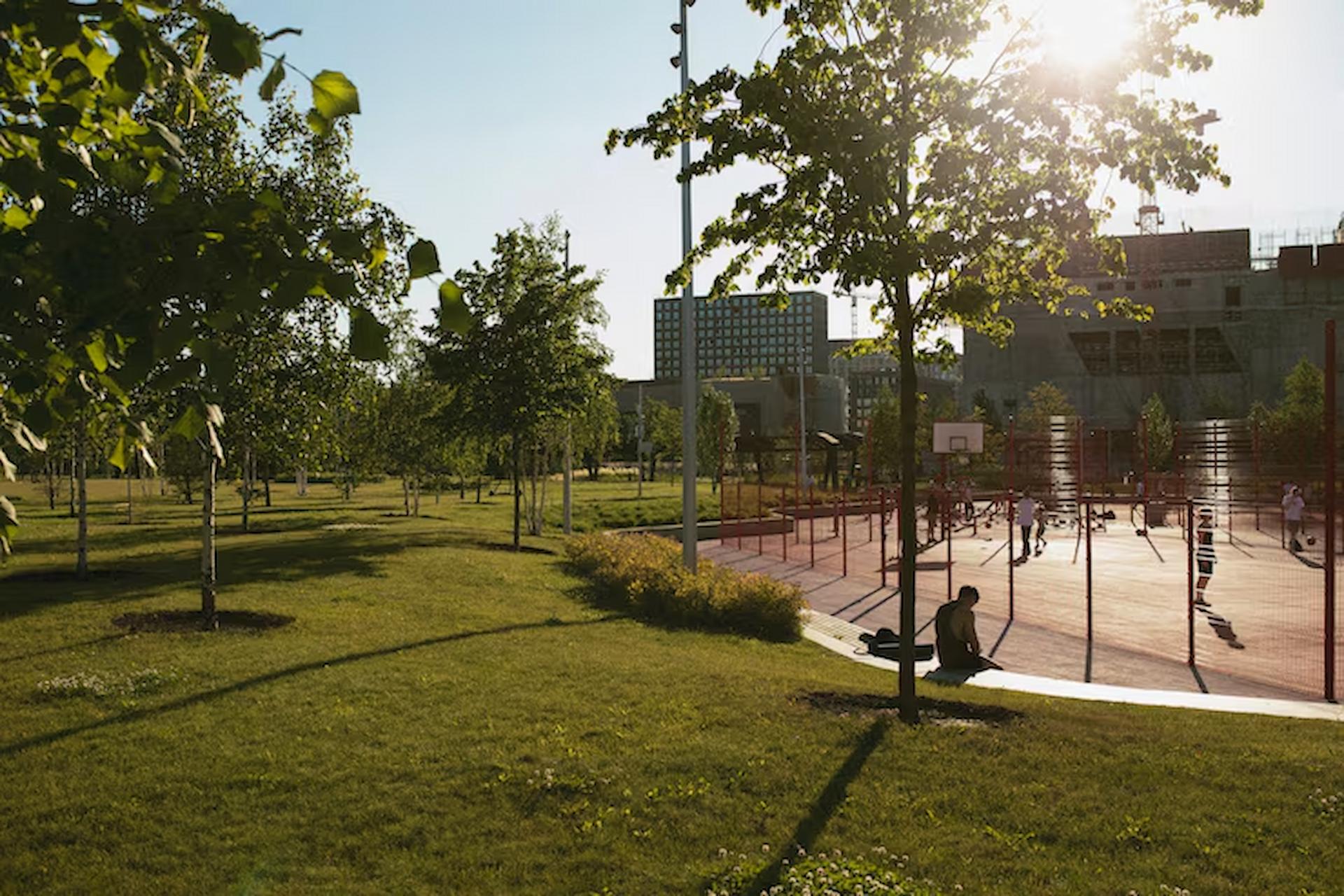
Green spaces are more than just parks and gardens – they are living environments that shape our health, communities, and cities. But creating functional green spaces requires more than planting trees and laying grass. Experts play a vital role in designing, planning, and maintaining these spaces to ensure they are sustainable, accessible, and beneficial for all. This article explores how professionals turn ideas into thriving landscapes that balance beauty with functionality.
Green spaces are at the heart of healthy cities. They provide fresh air, encourage outdoor activity, and bring communities together. From local parks to large urban landscapes, their design and upkeep require careful thought. Functional green spaces do not happen by chance – they are the result of skilled planning, design, and management by experts.
Professionals such as landscape planning architects, ecologists, and planners ensure that these spaces are not only beautiful but also practical, safe, and sustainable. With growing awareness about climate change, urban growth, and mental well-being, their role has never been more critical. Services like Landscape Planning Services – Artemis Ltd highlight how expert guidance makes a lasting difference in creating spaces that work for both people and nature.
Why Expert Guidance Matters
Green spaces serve many purposes. They are recreational areas, natural habitats, and social meeting points. To meet all these needs, expert involvement is essential.
Key Reasons Experts Are Crucial
- Balancing Nature and People: Experts ensure that spaces serve the community while protecting biodiversity.
- Efficient Use of Land: Careful planning makes the best use of limited urban space.
- Safety and Accessibility: Professionals design pathways, seating, and lighting for all age groups and abilities.
- Sustainability: They introduce eco-friendly methods such as rainwater harvesting and native planting.
Without this expertise, green spaces may fail to meet long-term needs. A poorly planned park might become underused, unsafe, or costly to maintain. This is why expert-led planning, such as Landscape Planning Services – Artemis Ltd, plays a vital role in shaping thriving and lasting environments.
Designing Functional Green Spaces
Design is about more than looks. It is about creating spaces that invite use, reduce stress, and support local ecosystems. Experts follow structured approaches to achieve this balance.
Elements of Good Green Space Design
- Layout and Flow: Paths, seating, and open spaces are positioned for ease of movement and relaxation.
- Plant Selection: Choosing native species reduces water use and supports pollinators.
- Community Needs: Spaces are designed for children, older adults, and families alike.
- Climate Adaptation: Features such as shade trees and water-permeable surfaces help cities cope with rising temperatures.
A functional green space is more than its parts. It is a well-designed system that improves urban living.
Experts and Sustainability
Sustainability is a key concern in modern green space development. Experts ensure projects meet today’s needs without harming tomorrow’s resources.
Sustainable Practices Experts Use
- Planting drought-resistant species to conserve water.
- Using recycled or locally sourced materials.
- Designing drainage systems to reduce flood risks.
- Preserving existing trees and wildlife habitats.
By embedding sustainability into planning, experts create spaces that remain vibrant and affordable to maintain for years to come.
Community Involvement in Expert Planning
Experts know that successful green spaces must reflect the people who use them. Community engagement is therefore a central part of the planning process.
How Communities Shape Projects
- Consultations and Surveys: Gathering feedback ensures the space meets local needs.
- Workshops and Design Sessions: Residents share ideas directly with planners.
- Volunteer Projects: Community members often help plant trees or maintain gardens.
When people feel included, they develop a sense of ownership. This not only encourages respect for the space but also strengthens community ties.
Health and Social Benefits
Experts create green spaces with purpose. They understand that these environments contribute to physical and mental well-being.
Health Benefits
- Fresh air and greenery reduce stress and improve mood.
- Open areas encourage exercise and play.
- Trees filter pollution and lower urban heat.
Social Benefits
- Parks become gathering points, reducing loneliness.
- Green spaces improve property values and neighbourhood pride.
- They provide safe spaces for cultural events and celebrations.
Without expert design, these benefits may be limited or unevenly distributed across a community.
The Role of Technology and Innovation
Modern planning uses advanced tools to improve outcomes. Experts employ technology to design spaces that are efficient and forward-looking.
Examples of Innovation
- GIS Mapping: Analyses land use and biodiversity.
- 3D Visualisation: Helps communities understand design proposals.
- Smart Irrigation Systems: Saves water and reduces costs.
- Data-Driven Design: Tracks usage patterns to refine layouts.
Technology does not replace expertise but enhances it. Together, they ensure spaces remain functional and adaptable.
Challenges Experts Face
Building functional green spaces is not without challenges. Professionals must address:
- Limited land availability in dense urban areas.
- Balancing development with environmental protection.
- Securing funding and long-term maintenance budgets.
- Meeting diverse needs in multicultural communities.
Despite these hurdles, experts find innovative solutions that benefit both people and the planet.
Conclusion
Experts are the backbone of successful green space creation. Their skills transform empty plots into thriving parks, gardens, and community hubs. They balance nature with human needs, sustainability plan, and engage with communities to ensure spaces are loved and well-used.
In an era of rapid urbanisation and environmental change, their role has never been more valuable. By working with professionals, cities and towns can enjoy green spaces that not only look beautiful but also function as vital lifelines for health, connection, and resilience.