
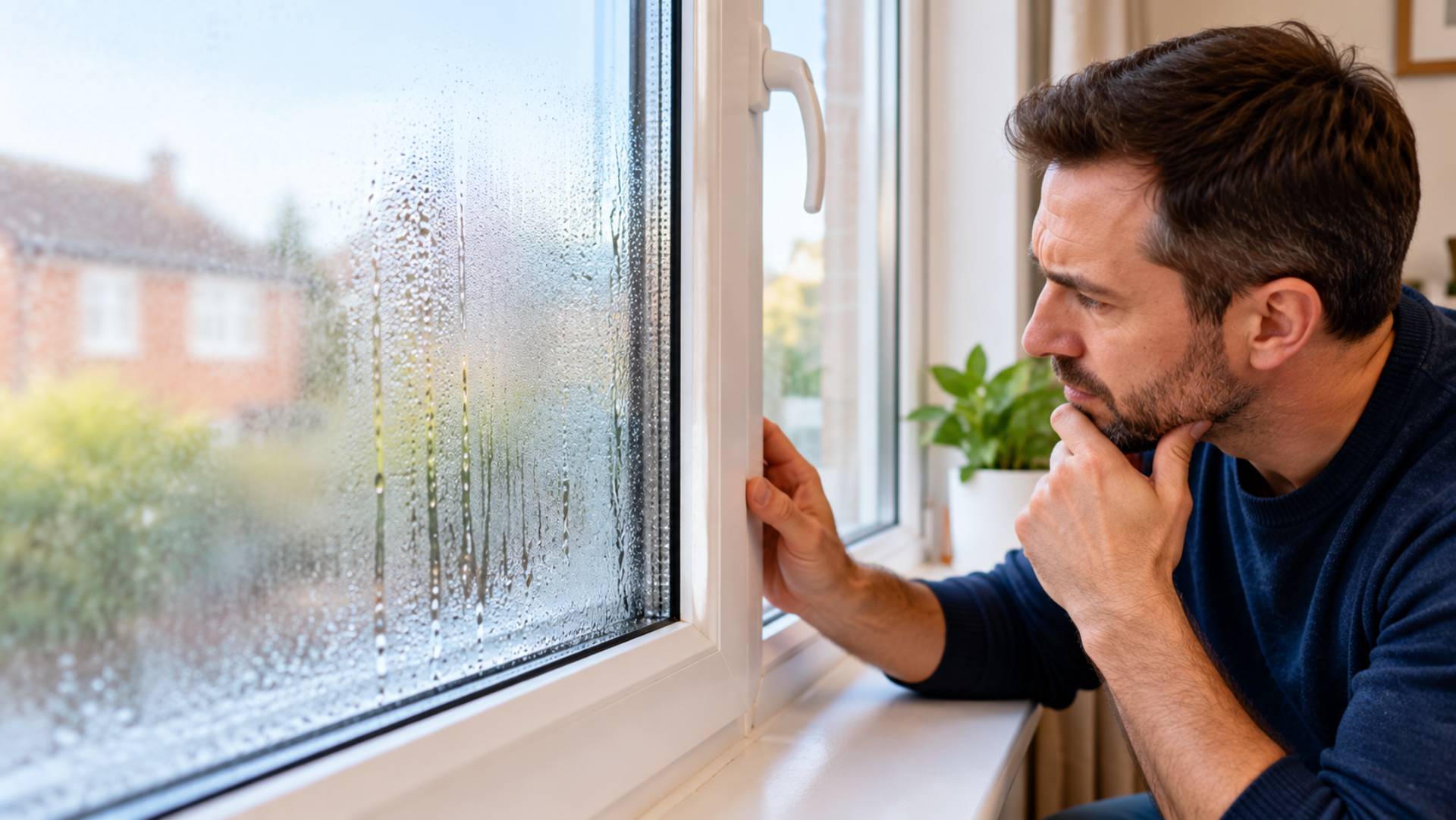
Double glazing keeps homes warmer and quieter by trapping a layer of air or gas between two panes of glass. When that sealed unit fails, the first signs are often misting, condensation or a sudden loss of clarity that cannot be wiped away.
Many households turn to double glazing emergency repairs once the problem becomes obvious. Understanding why units fail and the practical steps that follow helps you respond calmly and choose the right course of action.
Seal Failure and Internal Condensation
The most frequent cause of sudden failure is a broken seal around the edge of the unit. Double-glazed panes are held together by a spacer bar and a perimeter seal that keeps moisture out and the insulating gas in. Over time the seal can deteriorate.
Once the seal is compromised, humid air enters the cavity. The desiccant material inside the spacer eventually becomes saturated and can no longer absorb moisture. The result is permanent misting or droplets between the panes. This internal condensation cannot be cleaned and usually signals that the unit needs replacing rather than repairing.
Thermal Stress and Ageing
Glass expands when it warms and contracts when it cools. Daily temperature changes create repeated pressure on the edge seals. This cycle, sometimes called solar pumping, gradually weakens the bond. South-facing windows often show problems earlier because they experience stronger sunlight and greater temperature swings.
Age is another major factor. Most sealed units are designed to last many years, but seals become less flexible with time. UV light hardens the materials, making them brittle. Eventually small gaps form and moisture finds its way in. Units that were fitted decades ago are more likely to reach this stage.
Installation and Physical Damage
Poor original installation can shorten the life of a unit. If the glass was not properly supported, packed or sealed into the frame, uneven stress is placed on the edges. Building movement, such as settlement in a new property, can have a similar effect.
Physical impact is another trigger. A knock that does not crack the glass can still disturb the seal. Nearby building work, pressure washing too close to the frame, or even repeated opening and closing of a poorly adjusted window can contribute to early failure.
Distinguishing Surface Condensation from Seal Failure
Not every misted window means the sealed unit has failed. Moisture that forms on the room side of the glass is usually surface condensation caused by high indoor humidity meeting a cold surface. It can be wiped away and often clears as the room warms or ventilation improves.
Internal misting sits between the panes and stays put. If the haze remains after cleaning both outer surfaces, the seal has almost certainly failed. A simple test is to check whether the moisture moves or changes with temperature; permanent internal fogging points to a failed unit.
What To Do When Failure Occurs
Once you confirm the problem is inside the sealed unit, the usual next step is replacement of the glass rather than the whole window. The existing frame can often remain in place. A glazier will measure the opening accurately, order a new unit made to the correct specification, and fit it once it is ready.
If the failure leaves a security or weather risk—for example a cracked outer pane—temporary boarding may be needed until the permanent glass arrives. Double-glazed units require off-site manufacturing and a short lead time, so temporary measures keep the property secure in the meantime.
Consider these practical points while arranging the work:
- Note whether one or both panes are affected and whether the frame itself shows damage.
- Keep the area clear of debris and discourage contact with any remaining sharp edges.
- Check insurance cover, as accidental damage is sometimes included while gradual seal failure may not be.
- Ask about the specification of the replacement unit, including any low-emissivity coating or gas fill that improves insulation.
- Confirm that drainage channels in the frame are clear so water cannot sit against the new seal.
- Allow time for the new unit to settle and for any residual moisture on the frame to dry before final checks.
Professional advice is useful when several windows are affected, when the frames are older timber or unusual materials, or when the property is listed. An experienced glazier can assess whether the frames are still sound and recommend the most suitable replacement specification.
Final Summary
Sudden double glazing failure is usually the result of seal breakdown caused by age, thermal cycling, UV exposure, installation issues or physical stress. The clear sign is permanent misting between the panes that cannot be cleaned. Surface condensation, by contrast, sits on the room side of the glass and can often be managed with better ventilation.
Once internal failure is confirmed, arrange accurate measurement and replacement of the sealed unit. Temporary boarding protects the property if needed while the new glass is prepared. Acting promptly restores insulation, clarity and security without unnecessary delay.